

Historically, LGBTQ+ individuals have been largely absent from mainstream media or portrayed in stereotypical and negative ways. This lack of visibility can have a significant impact on mental health.
Representation matters
Seeing characters who share your sexual orientation or gender identity can be incredibly validating. It allows you to see yourself reflected on screen, fostering a sense of belonging and acceptance. Positive portrayals of LGBTQ+ individuals can provide much-needed role models, especially for young people who are questioning their identity. These characters can demonstrate that living authentically and thriving as an LGBTQ+ person is possible. Increased visibility in the media helps to normalize LGBTQ+ identities and challenge negative stereotypes. This can lead to greater societal acceptance and understanding, reducing the stigma and discrimination faced by LGBTQ+ people.
The good news is that things are changing — we're seeing a rise in LGBTQ+ characters across various media platforms, from television shows and movies to video games and web series. These characters are more complex and multifaceted, reflecting the diversity of the LGBTQ+ community.
More coming-of-age stories
Coming-of-age narratives featuring LGBTQ+ characters are becoming increasingly common. These stories explore themes of self-discovery, acceptance, and navigating relationships in a world that may not always be understanding.
Spotlighting relationships
LGBTQ+ characters are no longer solely defined by their sexuality or gender identity. We're seeing portrayals of healthy relationships, families, and friendships within the LGBTQ+ community.
Increased visibility of transgender characters
While still underrepresented, transgender characters are gaining more visibility in the media. Importantly, trans characters are increasingly portrayed in a positive light instead of following lazy tropes that diminish the humanity of trans people.
The positive impact on mental health
Studies have shown that increased exposure to positive LGBTQ+ media representation can lead to decreased depression and anxiety. Seeing relatable characters can help LGBTQ+ individuals feel less alone and isolated. Positive portrayals can counter internalized homophobia and transphobia, leading to a stronger sense of self-worth and confidence. Exposure to positive narratives can equip LGBTQ+ people with the strength and resilience to navigate the challenges of living in a world that may not always be accepting.
Ongoing challenges
Despite the progress, LGBTQ+ media representation still has a far way to go. LGBTQ+ creators are still underrepresented in writing rooms and production — reversing this trend could help ensure authentic narratives that resonate with the LGBTQ+ community. There's also a need for more LGBTQ+ characters of color, showcasing the intersection of sexual orientation/gender identity with race and ethnicity.
The media landscape is evolving, and LGBTQ+ characters are finding their place on screen more than ever before. By demanding and supporting inclusive storytelling, we can continue to break down barriers and create a world where LGBTQ+ individuals see themselves reflected in positive and authentic ways, fostering a future with better mental health outcomes for all.
Mental health support
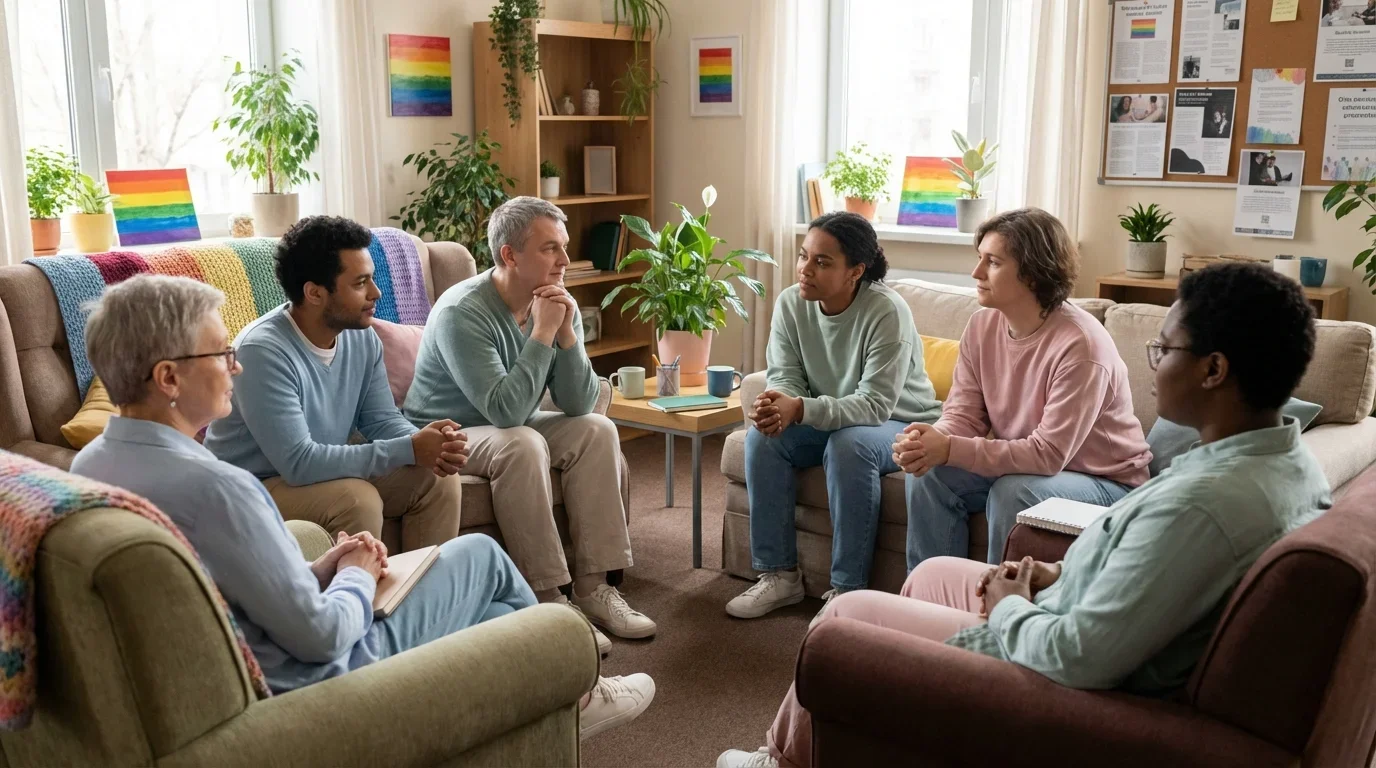
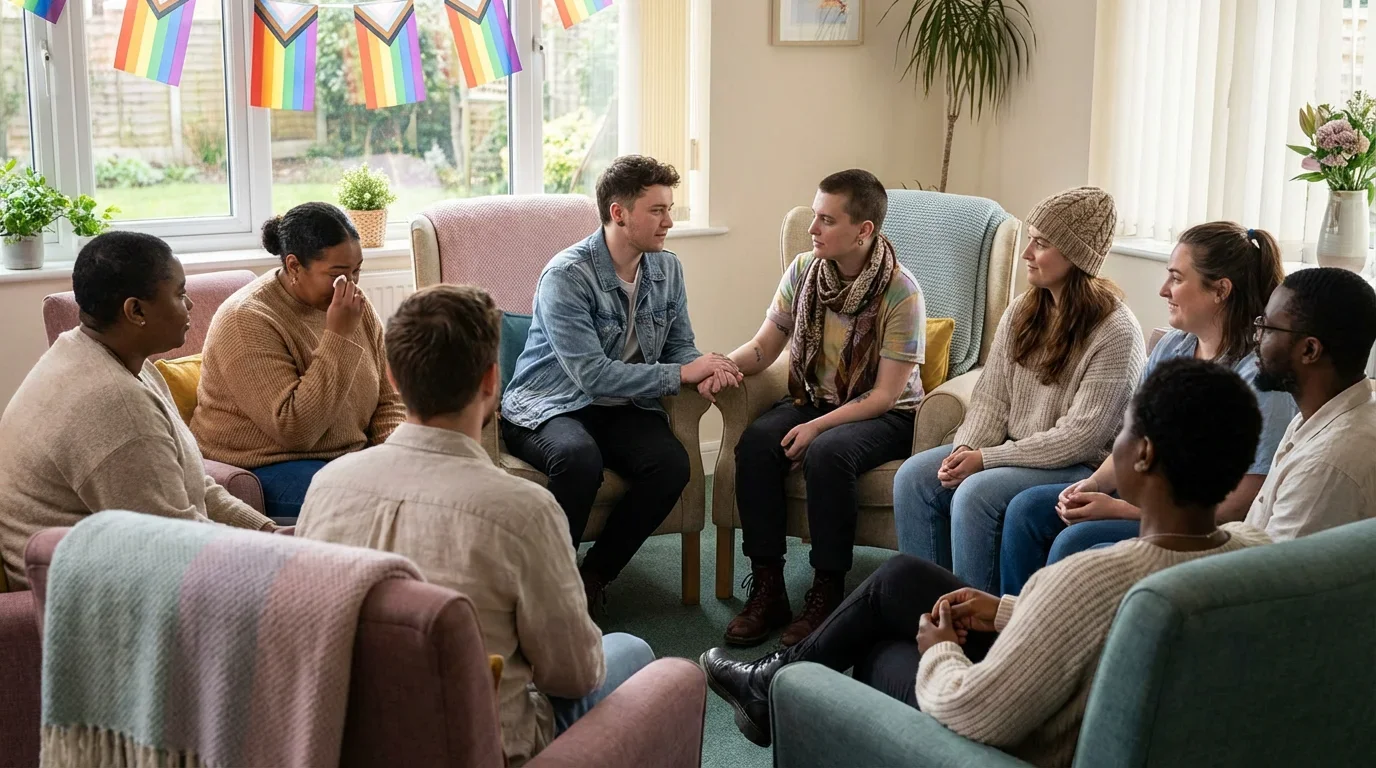
If you’re an LGBTQ+ person looking for support navigating coming out, relationships, family acceptance, self-esteem, or anything else life throws your way, Salt River Therapy is here for you. We have therapists who specialize in LGBTQ+ issues and understand the unique challenges you may face. We can provide a safe and affirming space to explore your feelings, develop coping mechanisms, and build resilience. Contact us today to schedule a free phone consultation with a therapist who can support you on your journey by clicking the link below.


Write A Comment